

Carousel of happiness, a phrase that whispers of laughter, connection, and the ever-turning wheel of life, invites us on a journey. From its historical roots, weaving through cultures and languages, to its profound implications for personal well-being, this concept promises a tapestry of insights. This isn’t just a fluffy idea; it’s a powerful metaphor for understanding the human experience. Prepare to delve into the origins of this captivating idea and discover its profound relevance in today’s world.
Let’s explore together!
The narrative extends into practical applications, showing how we can build a carousel of happiness in our own lives. You will learn how to embrace the emotional highs and lows, incorporating joy and resilience. We’ll explore real-world examples of organizations and initiatives dedicated to spreading positivity, illustrating their impact. This is more than just a theoretical discussion; it’s an invitation to build a more fulfilling and balanced existence.
Then, you’ll discover how the concept fuels creativity, inspiring artists, writers, and musicians. We will also address the complexities, exploring the potential criticisms and limitations. This is about finding a true, sustainable sense of well-being.
What are the origins of the phrase carousel of happiness and how did it gain popularity across different cultures?

Source: com.au
The phrase “carousel of happiness” evokes a sense of joy, movement, and cyclical experience, suggesting a continuous state of elation. While the exact origin of the phrase is somewhat elusive, tracing its roots and its journey across cultures reveals a fascinating story of linguistic evolution and universal appeal. Its adoption and adaptation offer a glimpse into how language can reflect and shape our understanding of emotions and experiences.
Historical Context of the Phrase’s Emergence, Carousel of happiness
The phrase “carousel of happiness” doesn’t have a single, definitive point of origin. It’s more likely a gradual emergence, influenced by several factors. It seems to have gained traction during the late 19th and early 20th centuries, a period marked by significant social and technological changes. The rise of amusement parks and public entertainment, coupled with the increasing accessibility of leisure activities, contributed to a cultural landscape where the concept of happiness was actively pursued and celebrated.
The phrase’s association with carousels, a symbol of childhood joy and fleeting moments, likely solidified its meaning.The phrase’s initial usage can be linked to the romantic era, where the pursuit of happiness and the celebration of emotions were prominent themes in literature and art. Authors and poets explored the complexities of human emotions, and the cyclical nature of life, death, and rebirth.
The imagery of a carousel, with its continuous motion and vibrant colors, perfectly captured the ephemeral nature of joy and the constant movement of life.Furthermore, the phrase might have been influenced by the rise of psychological studies focusing on human emotions and well-being. The burgeoning field of psychology, which sought to understand and quantify human experiences, may have contributed to the popularization of phrases that captured complex emotional states.
Thinking about a “carousel of happiness” instantly brings a smile, doesn’t it? It’s about creating joyful experiences, and in today’s world, that extends to learning. I truly believe that exploring the principles of the vlm marathon can help us build even better and more captivating ‘carousels of happiness’ in all aspects of life, ultimately ensuring that the happiness keeps spinning!
The phrase likely benefited from the growing emphasis on the importance of happiness and emotional well-being.A specific individual or event cannot be credited with originating the phrase, but it’s reasonable to assume that it arose organically, gaining momentum through its evocative imagery and its resonance with the era’s cultural values. The phrase’s ability to encapsulate the essence of joy and the cyclical nature of experience made it a powerful tool for artists, writers, and speakers.
“Happiness is a carousel; it comes and goes, and the ride never truly ends.”
The Carousel of Happiness is a true gem, a whimsical escape that captures the heart. But Nevada City has so much more to offer! Don’t miss out on exploring the diverse attractions; you can discover all the amazing things to do in nevada city ca , and then, return to the pure joy of the carousel. It’s a perfect day, filled with smiles and unforgettable memories.
This encapsulates the essence of the phrase, highlighting its core message of the fleeting and continuous nature of joy.
Adaptation and Interpretation Across Cultures
The phrase “carousel of happiness” has resonated across diverse cultures, finding expression in various art forms and languages. Its universal appeal stems from its ability to capture a fundamental human desire: the pursuit of happiness and the acceptance of life’s cyclical nature.
- Literature: In literature, the phrase or its metaphorical equivalents have appeared in numerous works across different cultures. For example, a novel might describe a character’s life as a “carousel of experiences,” each ride representing a different phase of life. The phrase’s ability to convey both joy and the transient nature of happiness makes it a versatile tool for storytelling.
In Japan, a haiku might capture the fleeting beauty of a cherry blossom festival as a “carousel of delight,” emphasizing the impermanence of joy.
- Art: In visual arts, the imagery of a carousel is frequently used to symbolize the cyclical nature of life and the pursuit of happiness. Paintings and sculptures might depict carousels in motion, representing the continuous flow of experience. In Mexican folk art, a vibrant carousel scene might be depicted, celebrating the joy of family and community. The phrase’s visual representation varies, adapting to the artistic styles and cultural nuances of different regions.
- Music: The phrase or its metaphorical equivalent has inspired musical compositions across different genres. A song might use the metaphor of a carousel to describe the ups and downs of a romantic relationship. A classical piece might evoke the feeling of a carousel ride, using tempo and melody to create a sense of joy and movement. In Bollywood, a dance number might celebrate the “carousel of love,” reflecting the vibrant and dynamic nature of relationships.
The phrase’s musical adaptation often focuses on capturing the emotional essence of joy and the cyclical experience of life.
The widespread use of the phrase in literature, art, and music across various cultures demonstrates its adaptability and its ability to resonate with people from diverse backgrounds. Its versatility allows it to be interpreted and reinterpreted, reflecting the specific cultural values and artistic styles of different regions.
Linguistic Evolution and Shifting Meanings
The phrase “carousel of happiness” has undergone a subtle linguistic evolution as it has been translated and adapted into different languages. While the core meaning of joy and cyclical experience remains consistent, the nuances of the phrase may shift depending on the linguistic and cultural context.
- Translation and Adaptation: The phrase has been translated into various languages, each translation reflecting the specific linguistic structures and cultural idioms of the target language. In French, the phrase might be translated as “manège de bonheur,” retaining the imagery of a carousel while adapting to French grammar. In Spanish, it might become “carrusel de alegría,” emphasizing the element of joy. These translations, while aiming to convey the same core meaning, inevitably introduce subtle shifts in emphasis and tone.
- Idiomatic Variations: Different cultures may employ idiomatic expressions that capture similar concepts, even if they don’t directly translate the phrase. In some languages, a different metaphor, such as a “dance of joy” or a “festival of delight,” might be used to convey the same emotional experience. These variations highlight the cultural specificity of language and the diverse ways in which human emotions are expressed.
- Semantic Shifts: Over time, the phrase’s meaning may undergo subtle semantic shifts. In some contexts, the phrase might be used to describe a period of fleeting joy, while in others, it might emphasize the cyclical nature of life’s experiences. These shifts are influenced by the evolving cultural landscape and the changing ways in which people understand and express emotions. The phrase’s meaning may also be influenced by its usage in specific genres, such as poetry or popular music, which may introduce new interpretations and connotations.
The linguistic evolution of the phrase “carousel of happiness” reflects its adaptability and its ability to resonate with people from diverse linguistic and cultural backgrounds. Its translation, adaptation, and use of idiomatic variations demonstrate the power of language to shape and reflect our understanding of human emotions. The subtle semantic shifts that occur over time further highlight the dynamic and evolving nature of language.
How can the concept of a carousel of happiness be applied to personal well-being and mental health practices?
The carousel of happiness, beyond its whimsical charm, offers a powerful metaphor for understanding and navigating the complexities of our emotional lives. It suggests a cyclical, dynamic process rather than a static state, a perspective shift that can profoundly impact our approach to personal well-being and mental health. It’s about recognizing that life, much like a carousel, isn’t a straight line; it’s a continuous loop with its ups and downs, joys and sorrows, moments of exhilaration and periods of quiet reflection.
The carousel of happiness, a vibrant spectacle, always sparks joy. Delving deeper, the essence of “komaen,” as explored at komaen , reveals a captivating influence on our perception of life’s simple pleasures. Embrace the positive energy and allow yourself to be swept away by the magic that the carousel of happiness provides.
Embracing this cyclical nature, rather than fighting it, is key to cultivating a more resilient and balanced inner world.
The Cyclical Nature of Emotions and Experiences
The beauty of a carousel lies in its constant motion. It’s a never-ending ride, where the horses rise and fall, the music swells and fades, and the scenery subtly shifts. This perfectly mirrors the ebb and flow of our emotions. We experience joy, excitement, and fulfillment, just as the carousel reaches its peak, offering a breathtaking view. Then, inevitably, we descend, encountering sadness, frustration, or moments of introspection, much like the carousel horses dipping low.
The important takeaway here is thatboth* experiences are integral to the ride. Trying to stay perpetually at the top, avoiding the lows, is akin to trying to stop the carousel entirely – an impossible and ultimately self-defeating endeavor.This understanding allows us to approach negative emotions with a different perspective. Instead of viewing them as failures or setbacks, we can recognize them as part of the natural cycle.
Just as the carousel descends before it ascends again, difficult emotions pave the way for renewed growth and appreciation. The experience of sadness, for example, can heighten our awareness of the good times, making us more grateful for joy when it returns. The process of working through grief can lead to deeper empathy and a greater understanding of ourselves. Embracing this cyclical nature encourages us to be present in each moment, rather than striving for a constant state of “happiness” that is, in reality, unsustainable.This perspective is particularly crucial in the context of mental health challenges.
Conditions like anxiety and depression often involve experiencing intense emotional fluctuations. The carousel metaphor provides a framework for understanding that these fluctuations are not permanent states, but rather phases within a larger cycle. This can empower individuals to develop coping mechanisms and strategies to navigate these emotional waves, knowing that they will eventually shift. For example, Cognitive Behavioral Therapy (CBT) often employs techniques that help individuals identify and challenge negative thought patterns, much like adjusting the perspective of someone riding the carousel to see the beauty even during the “down” cycles.
The emphasis is not on eliminating negative emotions, but on learning to manage them effectively and to recognize their transient nature. The carousel teaches us that the ride continues, regardless of the emotional landscape.
Incorporating Carousel Principles into Daily Routines
To truly integrate the carousel of happiness into our lives, we need to establish practical routines that reflect its core principles. These practices help us become more aware of our emotional cycles and develop strategies for navigating them with greater resilience. The following framework offers a starting point:
The following list will help to incorporate carousel principles into daily routines:
- Mindful Moments: Start and end your day with a few minutes of mindfulness. This could involve meditation, deep breathing exercises, or simply focusing on your senses. During these moments, acknowledge your emotions without judgment, observing them as they rise and fall, just as you would watch the horses on a carousel. This practice cultivates emotional awareness and allows you to respond rather than react to your feelings.
The “carousel of happiness” – a wonderful concept, wouldn’t you agree? It’s all about embracing joy, and I firmly believe in that. Thinking about different cultural expressions, the idea of a russian family naturist certainly offers a unique perspective on freedom and acceptance. Ultimately, the “carousel of happiness” is about finding your own version of joy, whatever that may look like for you.
- Gratitude Practice: Regularly identify and appreciate the positive aspects of your life. Keep a gratitude journal, write thank-you notes, or simply take a few moments each day to reflect on what you are thankful for. This shifts your focus toward the upward cycle of the carousel, fostering a sense of optimism and contentment.
- Embrace Imperfection: Recognize that setbacks and failures are inevitable. Treat yourself with kindness and compassion when things don’t go as planned. Learn from your mistakes without dwelling on them. The carousel isn’t about perfection; it’s about the continuous ride, the ups and downs, the lessons learned.
- Connect with Others: Nurture your relationships with friends, family, and community. Social support is a crucial buffer against stress and helps you navigate difficult times. Share your experiences, both positive and negative, and allow yourself to receive support from others. The carousel is more enjoyable when shared with others.
- Engage in Joyful Activities: Make time for activities that bring you pleasure and a sense of flow. This could include hobbies, creative pursuits, exercise, or spending time in nature. These activities act as anchors, providing moments of uplift and reminding you of the positive aspects of life.
- Set Realistic Expectations: Avoid the pressure to be constantly “happy.” Accept that difficult emotions are a normal part of life. Recognize that it’s okay not to be okay sometimes. The carousel teaches us that the ride involves both highs and lows.
These are all part of the framework for incorporating the principles of a carousel of happiness into daily routines.
The Role of Self-Compassion and Resilience
Navigating the ups and downs of life requires a strong foundation of self-compassion and resilience. Self-compassion involves treating yourself with the same kindness, care, and understanding you would offer a dear friend facing a similar challenge. It’s about recognizing that suffering and imperfection are part of the shared human experience, rather than isolating yourself in feelings of inadequacy or shame.
Resilience, on the other hand, is the ability to bounce back from adversity, to adapt and thrive in the face of challenges.The carousel metaphor perfectly illustrates the importance of these qualities. The continuous motion of the carousel requires us to be flexible and adaptable. We need to be able to ride through the ups and downs, the turns and dips, without falling off.
Self-compassion acts as the safety net, cushioning the impact of the lows and providing support when we stumble. Resilience is the ability to get back on the horse, to embrace the next cycle, and to keep moving forward.For example, someone experiencing a period of low mood might practice self-compassion by acknowledging their feelings without judgment, reminding themselves that these emotions are temporary, and engaging in self-care activities.
This is akin to taking a break from the carousel ride to catch your breath and gather your strength. Resilience, in this case, would involve recognizing the situation’s impermanence, identifying coping mechanisms that have worked in the past, and seeking support from others. It’s about understanding that the ride will continue, and you have the strength and resources to navigate it.
The more we practice self-compassion and cultivate resilience, the smoother and more enjoyable our carousel ride becomes.
What are some real-world examples of initiatives or organizations that embody the spirit of a carousel of happiness and what impact do they have?
It’s easy to get caught up in the whirlwind of everyday life, but there are beacons of light, initiatives and organizations, that are actively spreading joy, fostering well-being, and building stronger communities. These groups are, in essence, building their own carousels of happiness, offering rides on the path to a more positive and fulfilling existence. They demonstrate that the pursuit of happiness isn’t just a personal journey, but a collective endeavor.
Let’s dive into some inspiring examples.
Real-World Initiatives Promoting Joy, Positivity, and Well-being
Several organizations have embraced the spirit of the carousel of happiness. Their core values, missions, and approaches offer diverse ways to cultivate well-being. Here are three distinct examples:
- The Random Acts of Kindness Foundation: This non-profit organization is dedicated to inspiring people to perform acts of kindness. Their mission is to “make kindness the norm” by providing resources, educational materials, and support for individuals, schools, and communities. The foundation believes that small acts of kindness can have a ripple effect, creating a more compassionate and connected world. They encourage people to think about others, and the impact they have.
- Positive Psychology Center at the University of Pennsylvania: Founded by Martin Seligman, this center focuses on the scientific study of human flourishing. Their core value is to advance the field of positive psychology, which is the study of strengths and virtues that enable individuals and communities to thrive. They conduct research, offer educational programs, and disseminate evidence-based practices for enhancing well-being. Their mission is to promote a science-based approach to happiness and fulfillment.
- The Happiness Project: Inspired by Gretchen Rubin’s bestselling book, “The Happiness Project,” this initiative encourages individuals to embark on their own personal journey toward happiness. It’s less a formal organization and more a community of people sharing their experiences and strategies for improving their well-being. The core value is self-exploration and the belief that happiness can be cultivated through intentional choices and practices.
Their mission is to provide inspiration, support, and practical tools for living a happier life.
Comparison of Initiatives
These initiatives, while sharing a common goal, employ different strategies and target different audiences. Here’s a comparative overview:
| Initiative | Target Audience | Approach | Measurable Outcomes |
|---|---|---|---|
| Random Acts of Kindness Foundation | General public, schools, communities | Encouraging acts of kindness through resources, educational materials, and campaigns. | Increased reports of kindness, positive changes in school environments, and community engagement. |
| Positive Psychology Center | Academics, practitioners, and the general public | Conducting research, offering educational programs, and disseminating evidence-based practices. | Publications in peer-reviewed journals, improved mental health outcomes, and development of well-being interventions. |
| The Happiness Project | Individuals seeking personal growth | Sharing personal experiences, providing practical tools, and fostering a supportive community. | Increased self-reported happiness, improved life satisfaction, and enhanced sense of purpose. |
Challenges and Opportunities
These initiatives face both challenges and opportunities in sustaining their impact and expanding their reach.
- Funding: Securing consistent funding is a significant challenge. The Random Acts of Kindness Foundation relies on donations and grants. The Positive Psychology Center depends on university funding and research grants. The Happiness Project, being less formal, relies on the success of books, online resources, and community engagement.
- Community Engagement: Maintaining active and engaged communities is crucial. The Random Acts of Kindness Foundation needs to constantly create new campaigns and partnerships. The Positive Psychology Center needs to reach a wider audience with its research. The Happiness Project needs to keep its online community vibrant and supportive.
- Scalability: Scaling these initiatives to reach a larger audience can be complex. The Random Acts of Kindness Foundation needs to adapt its resources to different cultures and contexts. The Positive Psychology Center needs to translate its research into practical applications. The Happiness Project needs to manage its online community effectively.
However, these initiatives also have significant opportunities:
- Growing Awareness: The increasing global focus on mental health and well-being creates a favorable environment for their growth.
- Technological Advancements: Digital platforms and social media offer new ways to connect with audiences, share resources, and build communities.
- Collaboration: Partnerships with other organizations and institutions can expand their reach and impact.
These organizations, each in their unique way, are proving that building a “carousel of happiness” is not only possible but also profoundly impactful, creating ripples of joy and well-being across communities and beyond.
How does the metaphor of a carousel of happiness relate to creative expression and artistic endeavors?

Source: wallpaperaccess.com
The “carousel of happiness,” with its inherent cyclical nature, vibrant imagery, and promise of fleeting joy, has long captivated artists, writers, and musicians. It serves as a potent metaphor for the human experience, exploring themes of joy, nostalgia, the passage of time, and the inevitable return to beginnings. Its visual appeal, combined with its emotional resonance, makes it a fertile ground for creative exploration across various art forms.
The Carousel as a Muse for Artistic Inspiration
The carousel’s core elements – the circular motion, the ornate figures, the music, and the lights – provide a rich tapestry for artistic interpretation. Artists frequently draw inspiration from the carousel’s ability to evoke both childlike wonder and a sense of melancholy, reflecting on the transient nature of happiness and the cyclical patterns of life. The metaphor allows for exploration of themes like escapism, memory, and the bittersweet beauty of impermanence.
- Visual Arts: Painters and sculptors have long been fascinated by the carousel.
- Example: Consider a painting depicting a carousel in motion. The artist might use vibrant colors and dynamic brushstrokes to capture the energy and excitement of the ride. The horses, frozen mid-leap, could be rendered with intricate detail, each one a unique character. The background might blur, representing the speed and the passage of time.
The overall effect could be one of joyous chaos, a celebration of fleeting moments.
- Example: Sculptors might create carousel figures, perhaps with a twist. Imagine a series of bronze horses, each with a different expression and posture, arranged in a circle. Some might appear joyous, others pensive, reflecting the diverse range of human emotions. The patina of the bronze could suggest the passage of time, hinting at the carousel’s history and the memories it holds.
- Example: Consider a painting depicting a carousel in motion. The artist might use vibrant colors and dynamic brushstrokes to capture the energy and excitement of the ride. The horses, frozen mid-leap, could be rendered with intricate detail, each one a unique character. The background might blur, representing the speed and the passage of time.
- Literature: Writers have utilized the carousel as a powerful symbol in their narratives.
- Example: A short story might center on a character who visits a carousel, experiencing a moment of pure joy. The narrative could then explore the contrast between this fleeting happiness and the character’s everyday struggles. The carousel could represent a temporary escape from reality, a reminder of the beauty that exists amidst the difficulties of life.
- Example: A novel might use the carousel as a central setting, with the characters’ lives intertwined with its cyclical rhythms. The carousel could serve as a backdrop for love, loss, and self-discovery, mirroring the ups and downs of their journeys. The repetitive nature of the ride could reflect the recurring patterns in their relationships and the lessons they learn.
- Music: Musicians have often drawn inspiration from the carousel’s sounds and imagery.
- Example: A composer might write a waltz that evokes the feeling of riding a carousel. The music could be light and airy, with a playful melody that suggests the movement of the horses. The use of instruments like the calliope or the music box could further enhance the nostalgic atmosphere.
The waltz’s cyclical structure could mirror the carousel’s circular motion, creating a sense of continuous movement and return.
- Example: A songwriter might write a ballad about a lost love, using the carousel as a metaphor for the relationship. The lyrics could describe the joy and excitement of the initial ride, followed by the sadness of the carousel slowing down and eventually stopping. The carousel could represent the cyclical nature of love, with its periods of happiness and sorrow.
- Example: A composer might write a waltz that evokes the feeling of riding a carousel. The music could be light and airy, with a playful melody that suggests the movement of the horses. The use of instruments like the calliope or the music box could further enhance the nostalgic atmosphere.
The Cyclical Structure as a Narrative Framework
The carousel’s inherent circularity lends itself perfectly to storytelling. It can be used to structure narratives, develop characters, and create immersive experiences. The repetitive motion and the return to the starting point can symbolize the cyclical nature of life, the recurrence of events, and the enduring power of memory.
- Storytelling Framework: The carousel’s circular structure can be used to create stories with recurring themes or motifs. A character might embark on a journey, experience various challenges, and ultimately return to their starting point, having learned a valuable lesson. The carousel could represent the cycle of growth and transformation.
- Character Development: Characters can be developed in relation to the carousel. Their experiences on the ride, the people they meet, and the emotions they feel can shape their personalities and influence their actions. The carousel can be a catalyst for character growth, forcing them to confront their fears and embrace their vulnerabilities.
- Immersive Experiences: The carousel can be used to create immersive experiences, such as virtual reality simulations or interactive installations. Participants could “ride” the carousel, interacting with its elements and experiencing its sensory details. This could lead to a deeper understanding of the carousel’s symbolism and its connection to the human experience.
The carousel, in its many forms, remains a compelling source of inspiration, inviting artists to explore the depths of human emotion and the beauty of impermanence. It reminds us that even in the midst of fleeting joy, there is always a sense of wonder and a promise of return.
What are the potential criticisms or limitations associated with the concept of a carousel of happiness?
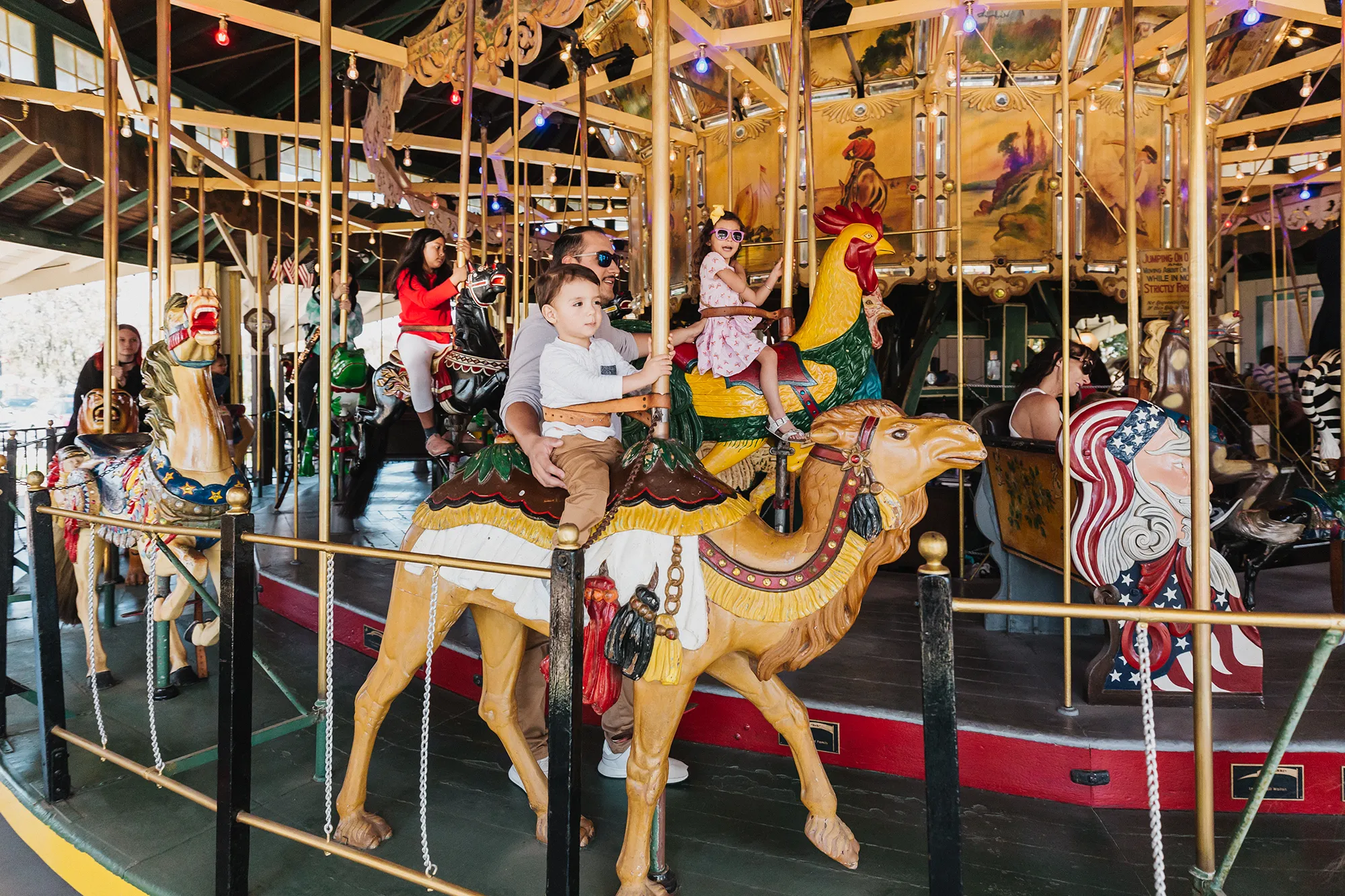
Source: balboapark.org
Let’s be honest, the idea of a perpetually joyful existence, a constant “carousel of happiness,” sounds fantastic, right? Like a never-ending party where everything is sparkly and perfect. But hold on a second. While the intention behind this concept – promoting well-being and positivity – is admirable, we need to take a realistic look at the potential pitfalls. It’s easy to get swept away by the allure of endless bliss, but ignoring the complexities of human experience can lead to some serious problems.
Unrealistic Expectations and the Illusion of Perfection
The most significant criticism of the carousel of happiness is the unrealistic expectations it can create. Life isn’t a theme park; it’s a messy, unpredictable, and often challenging journey. Trying to maintain a constant state of joy sets us up for failure. It’s like expecting a plant to bloom constantly, regardless of the season. We’re human, and that means experiencing a full spectrum of emotions, from elation to despair, contentment to frustration.
The idea of eliminating negative emotions entirely is not only unattainable but also fundamentally unhealthy.
“The pursuit of happiness is a fundamental human drive, but the relentless pursuit of
only* happiness can be counterproductive.”
This quote encapsulates the core issue: fixating solely on happiness can actually make us
less* happy. It can lead to feelings of inadequacy when we inevitably experience sadness, anger, or disappointment. Think about it
if you believe youshould* always be happy, any deviation from that state becomes a failure, a sign that something is wrong. This pressure can exacerbate negative feelings, creating a vicious cycle.
The Suppression of Negative Emotions and its Consequences
Another significant concern is the potential for the suppression of negative emotions. The carousel of happiness, in its most extreme form, might encourage us to avoid or ignore difficult feelings. This is incredibly dangerous. Negative emotions serve a purpose; they’re vital signals that tell us something is wrong, that we need to adjust our behavior, or that we need support.
Suppressing these signals is like ignoring a warning light on your car’s dashboard. Eventually, something will break down.
- Mental Health Implications: Constantly pushing down negative emotions can lead to anxiety, depression, and other mental health challenges. Unprocessed emotions fester and can manifest in various ways, from physical symptoms to unhealthy coping mechanisms.
- Impaired Emotional Intelligence: Denying negative emotions prevents us from developing emotional intelligence. We don’t learn to understand, manage, and navigate the full range of human experience. This can damage relationships and hinder personal growth.
- Difficulty in Resilience: By avoiding difficult emotions, we deprive ourselves of the opportunity to build resilience. Resilience is the ability to bounce back from adversity, and it’s forged in the crucible of difficult experiences. Without facing challenges, we become less equipped to cope with future hardships.
The Potential for Trivialization and Superficiality
The carousel of happiness can also lead to the trivialization of genuine suffering and the promotion of superficial positivity. It can create an environment where deeper issues are glossed over with platitudes and empty affirmations. This can be especially harmful in situations where people are dealing with serious challenges, such as grief, loss, or trauma.For instance, imagine someone experiencing the loss of a loved one.
If they are constantly bombarded with messages of “just be happy” or “look on the bright side,” it can invalidate their experience and prevent them from properly grieving. The pressure to maintain a facade of happiness can be incredibly isolating and damaging. This also ties into the concept of toxic positivity.
Strategies for a Balanced Perspective
Instead of striving for a constant carousel of happiness, the goal should be a balanced and fulfilling life that embraces both joy and sadness. This means acknowledging and processing all emotions, not just the positive ones.
- Emotional Acceptance: Acknowledge that negative emotions are a natural part of life. It’s okay to feel sad, angry, or disappointed.
- Mindfulness and Self-Awareness: Practice mindfulness techniques to become more aware of your emotions without judgment.
- Healthy Coping Mechanisms: Develop healthy ways to cope with difficult emotions, such as talking to a therapist, journaling, or engaging in creative activities.
- Seeking Support: Don’t be afraid to reach out to friends, family, or professionals for support when you’re struggling.
- Gratitude and Appreciation: Cultivate gratitude for the good things in your life, but don’t let it overshadow the difficult experiences.
Embracing the full spectrum of human emotions is essential for living a truly fulfilling life. It’s about finding joy in the good times and finding strength in the difficult ones. It’s about recognizing that both joy and sadness are valuable and necessary parts of the human experience. This balanced approach allows for resilience, deeper connections, and a more authentic and meaningful life.
Closing Notes: Carousel Of Happiness

Source: nps.gov
As we conclude, the carousel of happiness emerges not as a naive ideal, but as a nuanced understanding of life’s journey. It’s a call to embrace the cyclical nature of emotions, to cultivate self-compassion, and to find joy even in the face of adversity. By understanding its origins, applying its principles, and acknowledging its limitations, we can harness the power of this concept to build more meaningful and resilient lives.
Remember, the carousel keeps turning, and the ride, while sometimes challenging, is always worth it. Go forth and create your own carousel of happiness!


